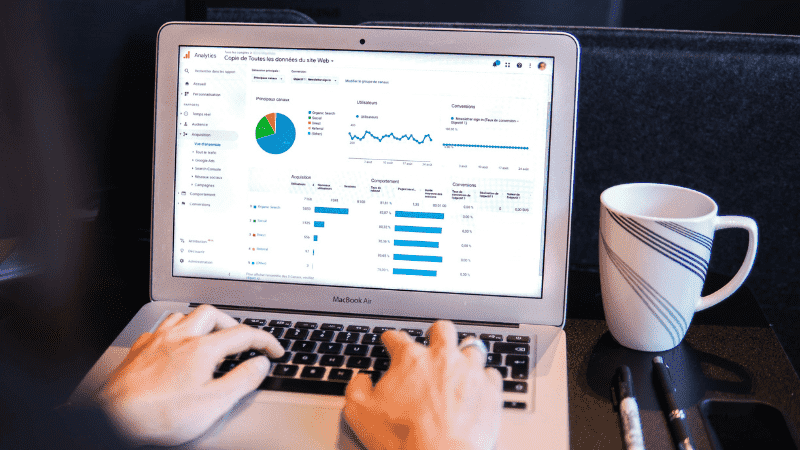
In the digital marketing landscape, businesses are constantly seeking the most effective strategies to enhance their online presence and drive traffic to their websites. Two prominent methods that often come into play are Organic Search Engine Optimisation (SEO) and Pay-Per-Click (PPC) advertising. This comprehensive guide explores the details of both approaches, comparing their benefits, costs, and ideal use cases.
Whether you’re a small business owner looking to boost your online visibility or an experienced marketer aiming to refine your strategy, this blog will equip you with the knowledge to make informed decisions about leveraging SEO and PPC for optimal results.
What is the Difference Between PPC and SEO?
While PPC and SEO are both effective marketing strategies, they have many differences. In short, PPC involves paying for ads to get immediate traffic, while SEO focuses on improving organic search rankings for long-term, sustainable traffic. PPC provides quick results but costs per click, whereas SEO requires time but is cost-effective in the long run.
What Is PPC?
Pay-Per-Click is a digital advertising model where advertisers pay a fee each time their ad is clicked. PPC ads appear on search engine results pages (SERPs), social media platforms, and other websites.
The most common PPC platform is Google Ads, where advertisers bid on keywords relevant to their target audience. When a user searches for those keywords, the ad may appear at the top of the search results.
Different types of PPC include:
- Search ads – Search ads are the most common form of PPC advertising. Advertisers bid on keywords to appear on SERPs, using an auction system for ad placement and cost.
- Display ads – Display ads appear on websites across the internet, targeting users through images, text, or videos based on browsing behaviour.
- Shopping ads – Shopping ads show product images, prices, and descriptions on search engines, directly promoting e-commerce products to potential buyers.
- Video ads – Video ads reach users through platforms like YouTube, promoting products or services with engaging video content to new audiences.
- Paid social ads – Paid social ads target users on social media platforms, using interests and behaviours to engage potential customers with tailored content.
- Retargeting ads – Retargeting ads show ads to previous website visitors, aiming to re-engage and convert users who didn’t convert initially.
PPC allows for precise targeting, immediate visibility, and measurable results, making it a popular choice for businesses looking to quickly attract potential customers.
What Is SEO?
SEO, or Search Engine Optimisation, is the practice of enhancing a website’s visibility and ranking in SERPs. The primary goal of SEO is to increase organic (non-paid) traffic to a website by optimising various aspects such as content, keywords, and technical elements to align with search engine algorithms.
At its core, SEO works by improving a website’s relevance and authority in the eyes of search engines. Search engines use complex algorithms to analyse websites and determine their rankings for specific search queries. SEO techniques aim to optimise these elements to improve a website’s chances of ranking higher in relevant search results.
Key components of SEO include:
- Keyword optimisation – Researching and strategically incorporating relevant keywords into website content, meta tags, headings, and URLs to match user search queries.
- Quality content creation – Producing high-quality, relevant, and engaging content that satisfies user intent and provides value. This can include blog posts, articles, videos, infographics, and more.
- On-page optimisation – Optimising technical elements such as title tags, meta descriptions, image alt tags, and URL structures to make it easier for search engines to crawl and index the site’s content.
- Off-page optimisation – Building backlinks from reputable websites, social media platforms, and directories to increase a website’s authority and credibility.
- User Experience (UX) optimisation – Ensuring that the website is easy to navigate, loads quickly, and provides a seamless experience across devices, which can indirectly impact search engine rankings.
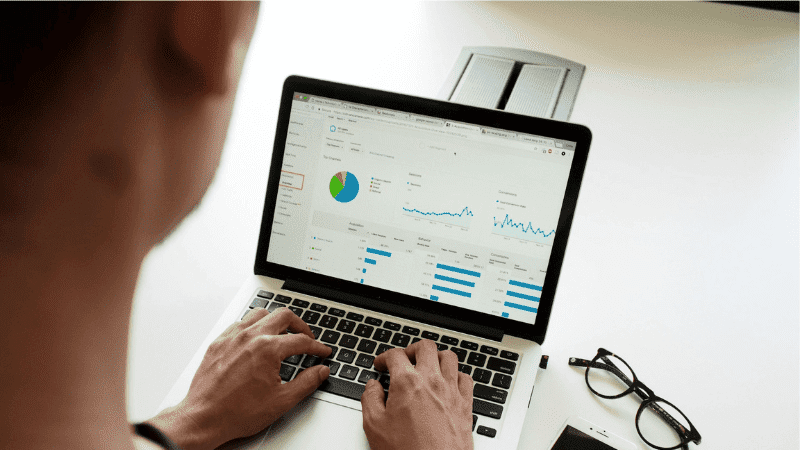
By implementing effective SEO strategies, businesses can improve their online visibility, attract more targeted traffic, and ultimately, achieve marketing objectives.
Is SEO Better than PPC?
Deciding whether SEO is better than PPC depends on various factors including your business goals, budget, and timeline. Both strategies have distinct advantages and can complement each other when used effectively.
SEO is a long-term strategy focused on improving organic search rankings and driving sustainable, unpaid traffic to your website. It offers benefits such as:
- Cost-effectiveness – While initial investment in SEO can be significant, the ongoing cost is generally lower compared to PPC. Once you achieve higher rankings, the traffic generated is essentially free, leading to a higher ROI over time.
- Credibility and trust – Websites ranking organically are often perceived as more credible and trustworthy by users compared to paid advertisements. This can lead to higher click-through rates and better conversion rates.
- Long-term results – SEO efforts, such as optimising content and building backlinks, can have lasting benefits. Once established, your website can maintain its rankings with ongoing maintenance and updates.
On the other hand, PPC advertising offers immediate visibility and control over your advertising campaigns. Some advantages include:
- Instant results – With PPC, your ads can appear at the top of search results almost immediately after launching a campaign, providing instant visibility and traffic.
- Targeted advertising – PPC platforms like Google Ads and Facebook Ads allow you to target specific demographics, interests, and behaviours, ensuring your ads reach the most relevant audience.
- Flexibility and control – PPC campaigns offer precise control over budget, bidding strategies, ad creatives, and targeting options, allowing for quick adjustments based on performance metrics.
If you’re aiming to construct a sustainable online presence and are prepared to invest time and resources upfront, alongside seeking to establish credibility and authority within your industry, SEO is the better choice. However, if you require swift traffic, leads, or sales, PPC will likely suit your needs best.
In conclusion, there’s no one-size-fits-all answer to whether SEO is better than PPC. It ultimately depends on your business objectives, budget constraints, and timeline. Many businesses find success by integrating both strategies into their digital marketing efforts, leveraging the strengths of each to maximise results and reach a broader audience effectively.
How We Can Help
At Lumen SEO, we can take care of your whole SEO strategy, including keyword research, link building, content writing and technical SEO. You can learn more about what an SEO agency, like ours, does here.
If you like the sound of working with us, we offer free, no-obligation SEO audits on business websites. To claim yours, simply enter your details here and we’ll get a free SEO audit to you within 7 days.
For a friendly chat about the SEO services we provide here at Lumen SEO, contact our SEO consultants today. Alternatively, you can message us on either our Instagram or LinkedIn pages.
Written by Lucia, for Lumen SEO.